Munich's Bayshore closes $8M seed to build the AI front door for enterprise legal and compliance
Legal and compliance functions in large organisations face a structural problem that grows with every new rule. The volume of requests that business units cannot resolve on their own keeps rising, yet the experts who handle them spend most of their time on routine triage. Generic AI tools can process regulatory text, but they cannot encode legal logic in a way that holds up under audit. That gap - between what general-purpose AI produces and what a regulated environment can accept - is where compliance bottlenecks accumulate.
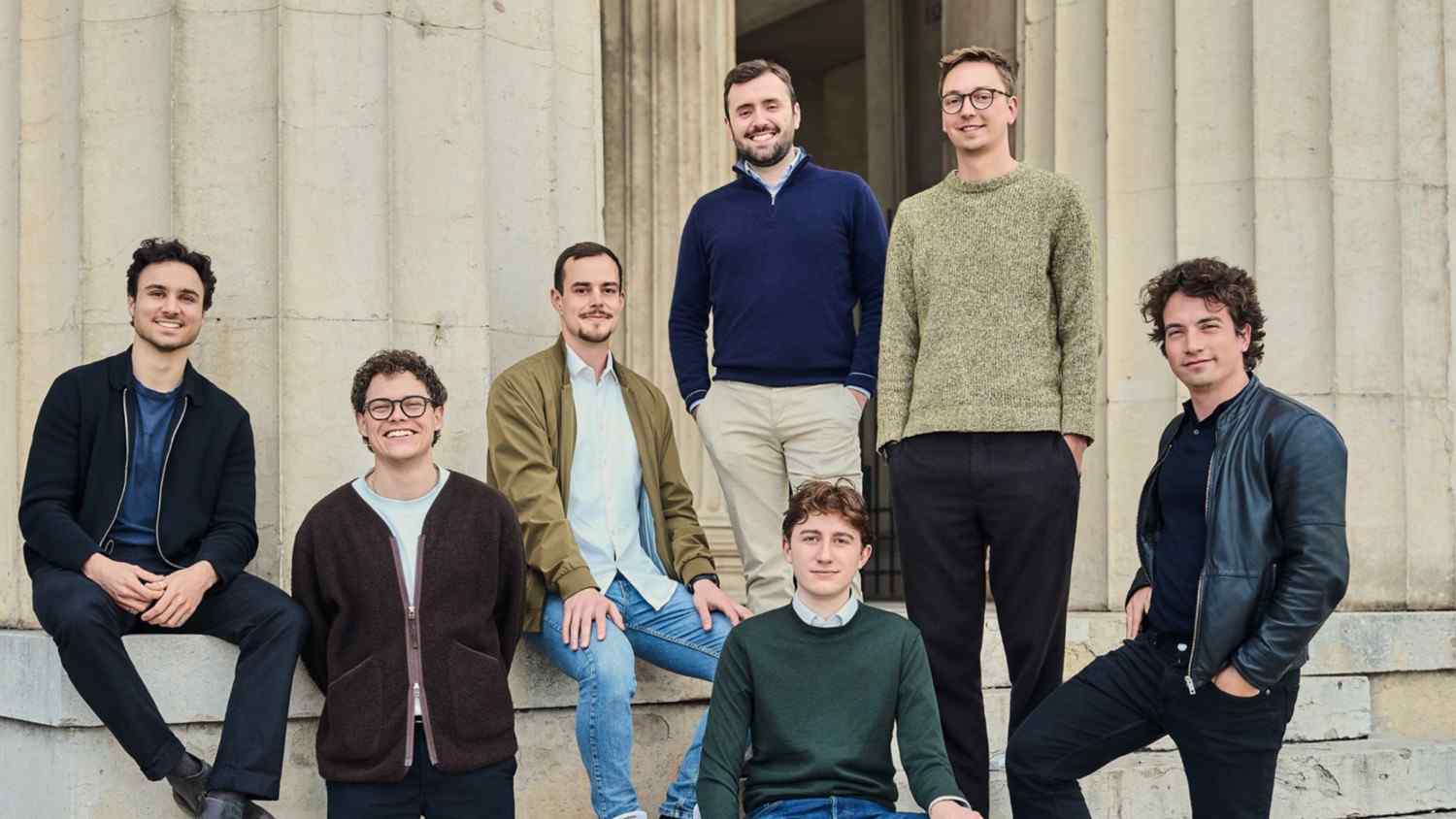
Bayshore, a Munich-based company co-founded by Paul F. Welter, Philipp Wiegand, and Erik Krauter, has built what it calls an AI front door for legal and compliance operations. Specialist lawyers translate regulations, internal policies, and compliance rules into deterministic, machine-readable logic: executable code that reflects each organisation's own interpretation of the rules, not a generic template. AI agents handle the full journey from intake to decision. Routine cases are resolved automatically; complex ones reach human reviewers with pre-processed context already in place. Every outcome is recorded in a full audit trail. The system is ISO 27001 certified, hosted entirely within the EU, and available as a cloud or on-premise deployment. Encoding legal reasoning as deterministic logic, where outputs are predictable and reproducible, removes the opacity that disqualifies standard LLM outputs from audit-grade workflows and meets the documentation obligations regulators impose on automated decision-making.
Bayshore has just closed an $8M seed round led by Earlybird Venture Capital, with Lucid Capital, Booom, and Heliad participating alongside strategic angels. Capital will fund product development and deeper deployments across regulated industries.
Sources: Bayshore | TFN
Founders: Paul F. Welter, Philipp Wiegand, Erik Krauter